
For instance, if a company reports a net income of $100,000 but also has $20,000 in depreciation expenses, the cash flow from operations would be $120,000. This method gives a more accurate picture of a company’s financial performance than simply looking at cash flows. Cash flow from operations, on the other hand, reflects the amount of cash a company generates from its regular business activities. It’s a more direct measure of a company’s ability to generate cash to fund operations, pay debts, and invest in future growth.

Million Students and Industry experts
It dictates when revenue is considered earned and can be recorded in the financial statements, influencing key metrics such as cash flow and net income. The timing and method of revenue recognition can vary depending on the industry, the nature of the transaction, and the specific guidelines set forth by accounting standards. This variability can lead to significant differences in how companies within the same industry report their financial performance. Net income, the proverbial bottom line of an income statement, is a critical indicator of a company’s financial health and operational efficiency. It represents the amount of money that remains after all operating expenses, taxes, and preferred stock dividends have been deducted from a company’s total revenue. However, the journey to arriving at this figure is heavily influenced by the company’s revenue recognition practices.
- Revenue recognition is a critical accounting principle that directly impacts a company’s financial statements, particularly cash flow and net income.
- However, the revenue is recognized monthly as each issue is delivered, spreading the impact on net income over the year and smoothing out cash flow fluctuations.
- Conversely, the sale of an asset may increase net income without an immediate cash impact.
- From an accountant’s perspective, cash flow from operations starts with net income and then reconciles all non-cash items to cash items involving operational activities.
- Net income, often referred to as the bottom line, is the profit a company makes after all expenses, taxes, and costs have been subtracted from total revenue.
Weaving the future of automation: The rise of automation fabrics
- As a result, regulators such as the SEC have increased their scrutiny on Tesla’s income recognition practices.
- SEC (U.S. Securities and Exchange Commission) Regulations play a significant role in income recognition.
- This is due to the fact that accounting principles allow for non-cash expenses such as depreciation and amortization, which can distort the true picture of cash on hand.
- This method is commonly used in industries where it’s difficult to reliably estimate costs and outcomes until the project is finished.
- Managers need to ensure that there’s enough cash on hand to pay for operating expenses and invest in growth opportunities.
- Understanding the nuances of working capital changes is crucial for a comprehensive grasp of cash flow management.
- As you can see, the balance sheet remains balanced, with total assets of $17,000 matching total owners’ equity of $17,000.
On the other hand, delaying income recognition may give the illusion of stability https://www.clearpath.co.ke/?p=303 but can mask underlying issues. The method chosen for income recognition also impacts financial statements like the income statement, balance sheet, and cash flow statement. From a managerial standpoint, understanding revenue recognition is essential for making informed business decisions. Managers rely on accurate financial statements to assess the company’s performance and to strategize for future growth. If revenue is not recognized appropriately, it can lead to misguided strategies and misallocation of resources. From the perspective of an accountant, cash flow management involves meticulous record-keeping and forecasting.
Cash Basis vs. Accrual Basis
The quest for the perfect equilibrium between revenue recognition and financial transparency is ongoing. It is a journey marked by continuous evaluation and adaptation, as companies strive to present their financial performance in the most accurate light while adhering to evolving standards and expectations. The ultimate net income recognition always increases: goal is to achieve a harmony that resonates with all stakeholders, fostering an environment of trust and clarity in the financial landscape. In retail, a company might recognize revenue for gift card sales only upon redemption, factoring in an estimate for the portion of gift cards that will never be used.

Recent Questions in Finance – Others
- For example, the SEC requires companies to adhere to generally accepted accounting principles , which provide specific rules for income recognition.
- Managers use this information to determine whether they can fund operations and growth internally or need to seek external financing.
- From optimizing accounts receivable processes to prudent inventory management, there are several tactics businesses can employ to improve their cash conversion cycle and bolster their cash position.
- It’s important to note that while these activities can have a significant impact on cash, they should be evaluated in the context of the company’s overall financial performance and market conditions.
- Cash flow from operations, on the other hand, reflects the amount of cash a company generates from its regular business activities.
One principle is the revenue realization principle, which states that revenue should be recognized when it is earned and can be reliably measured. Another principle is the matching principle, which requires expenses to be matched with the revenue they generate. Auditors and regulatory bodies demand stringent adherence to the principles of revenue recognition, advocating for conservative approaches that err on the side of caution. They argue that premature or overstated revenue can distort financial statements and impair the decision-making process income summary of users of these statements. SaaS companies often use time and materials, milestone-based, or amortized revenue over the contract term—but each approach depends on contract terms and business realities.

Net Income: From Net Income to Cash Flow: Bridging the Gap in Financial Reporting
To mitigate the risks of earnings management, businesses should implement strong internal controls, maintain transparent financial reporting, and adhere to regulatory guidelines. Understanding the definition of income recognition is crucial for businesses as it helps them maintain transparency and comply with accounting standards. Not only must organizations ensure they are properly recognizing revenue in accordance with accounting financial standards, but they must also ensure they are recognizing the right revenue.
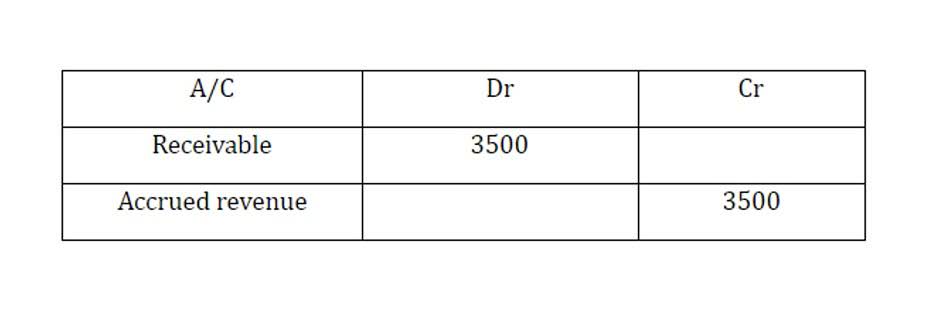
Different Methods of Income Recognition

This, in turn, impacts the company’s reported net income and cash flow, providing stakeholders with reliable information for decision-making. Understanding and applying these principles correctly is essential for maintaining the integrity of financial reporting and the trust of investors, customers, and other stakeholders. Investing and financing activities are crucial components of a company’s cash flow statement, which provides a detailed account of cash inflows and outflows over a period. These activities, while not directly related to the day-to-day operations of a business, can significantly influence the overall cash position.